Education
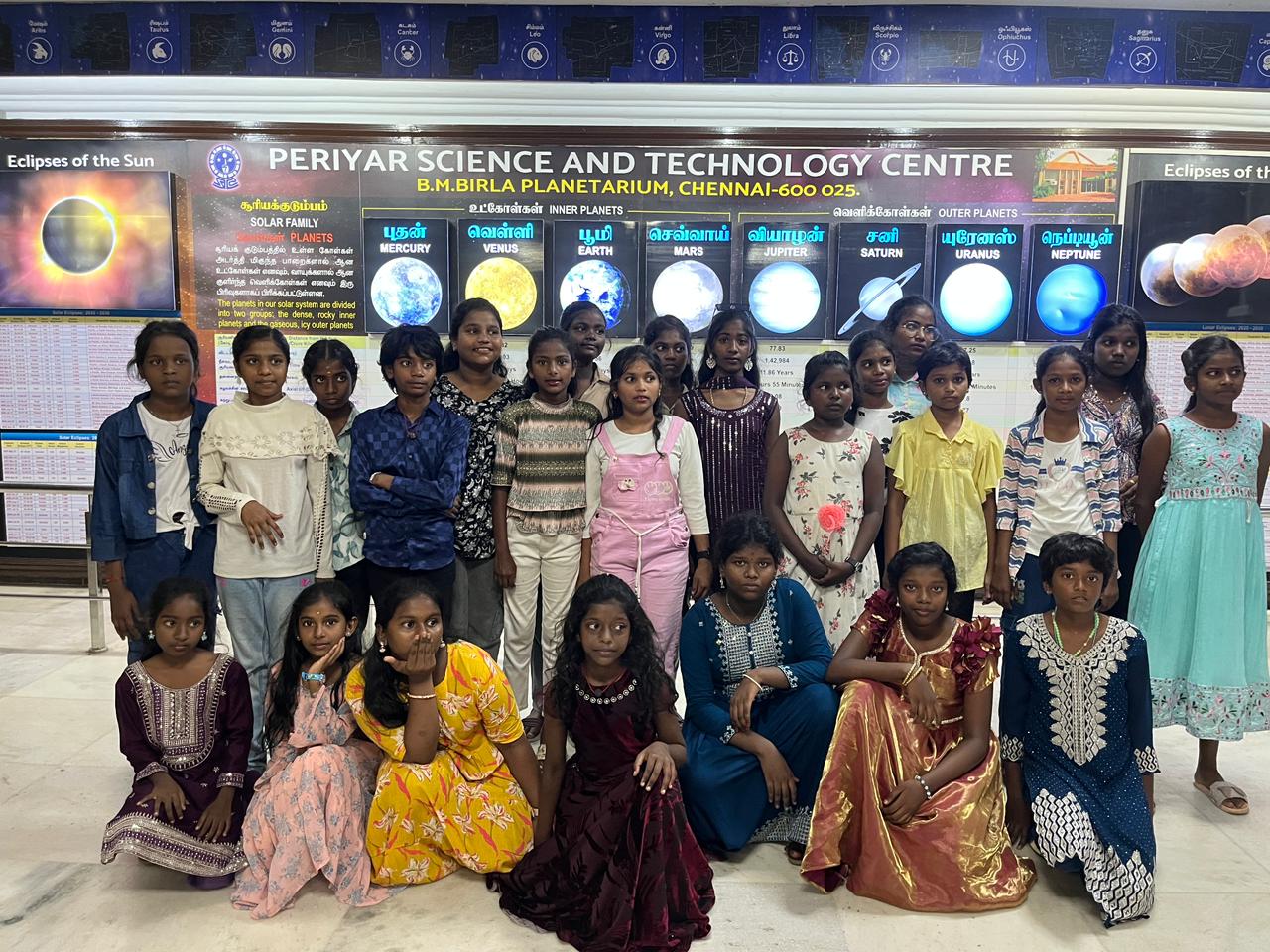
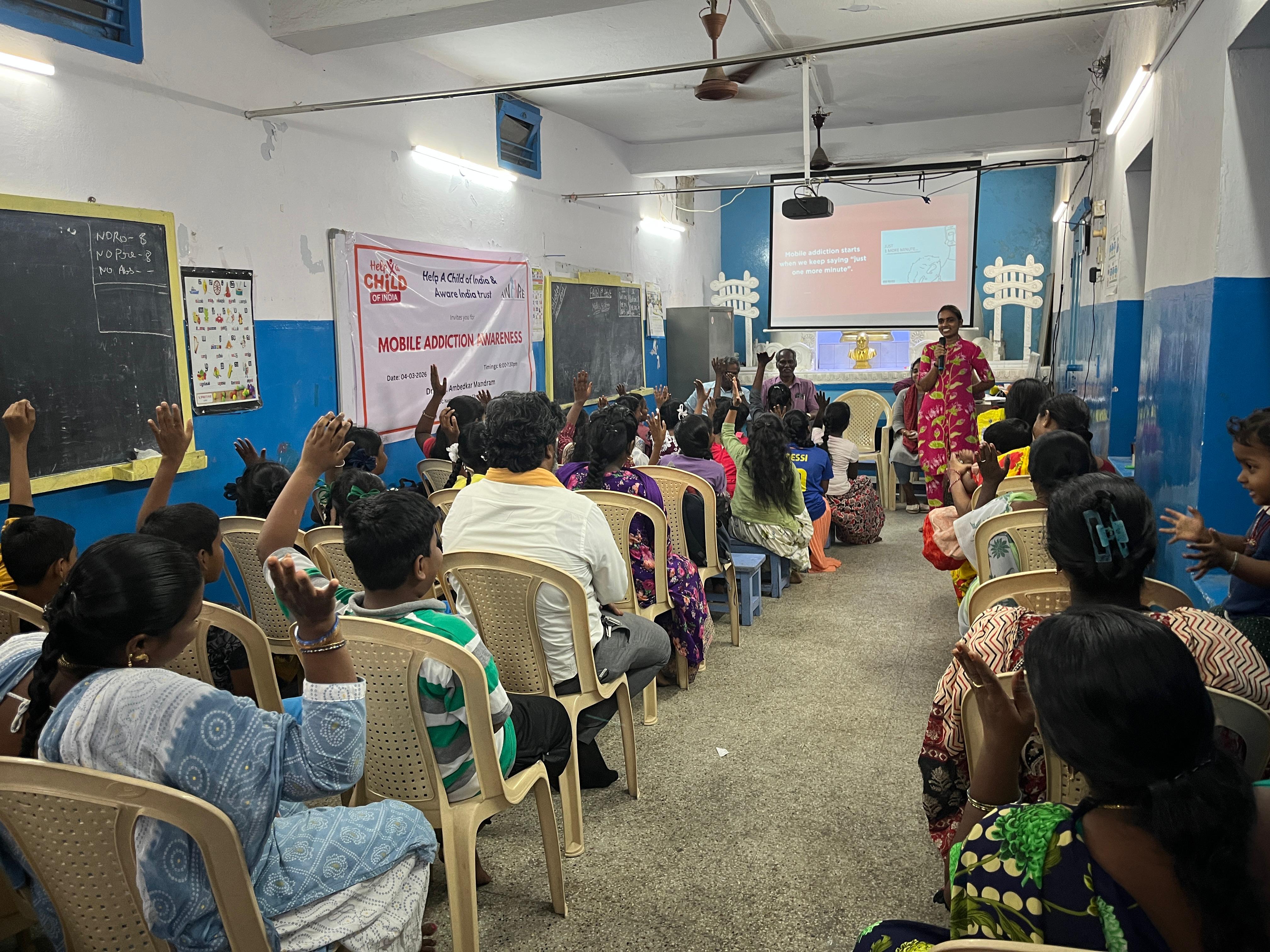
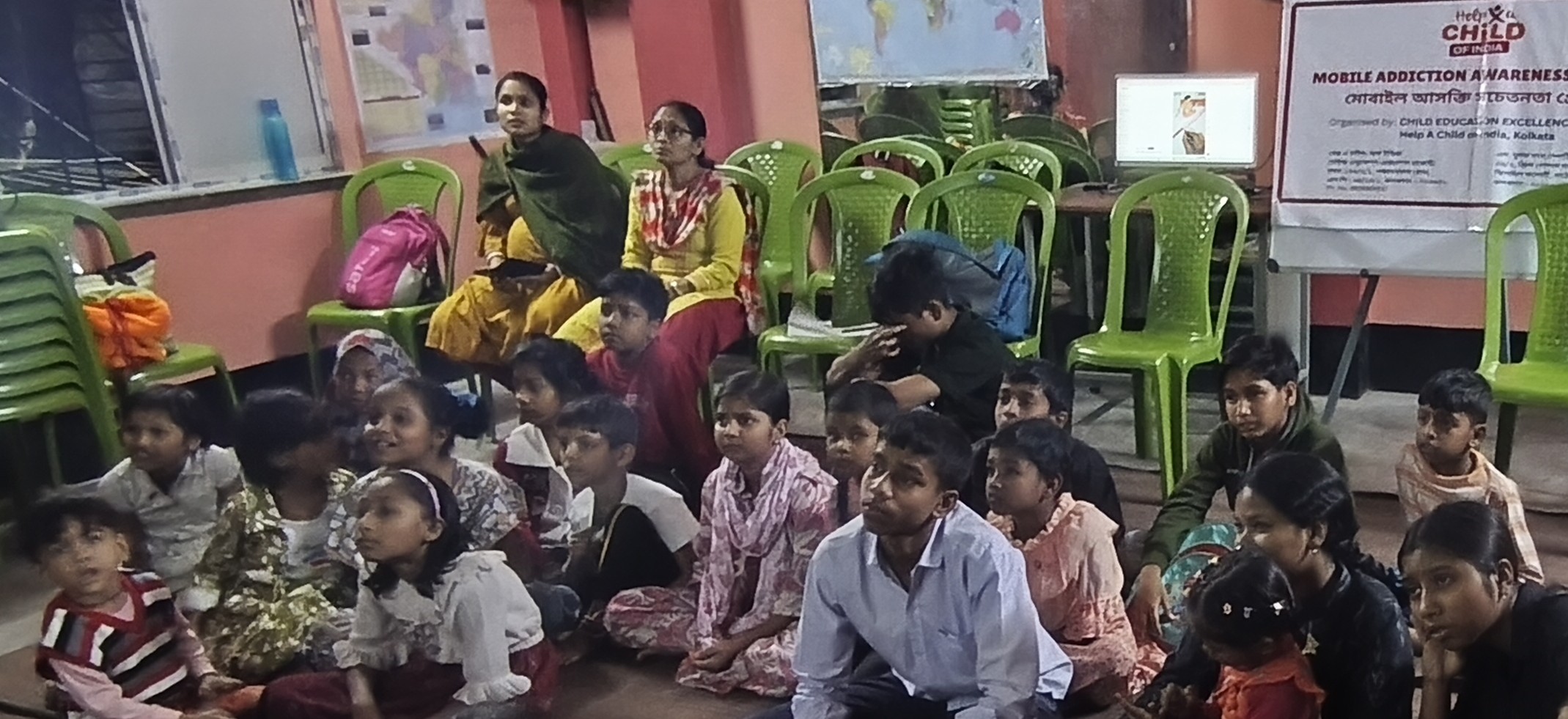
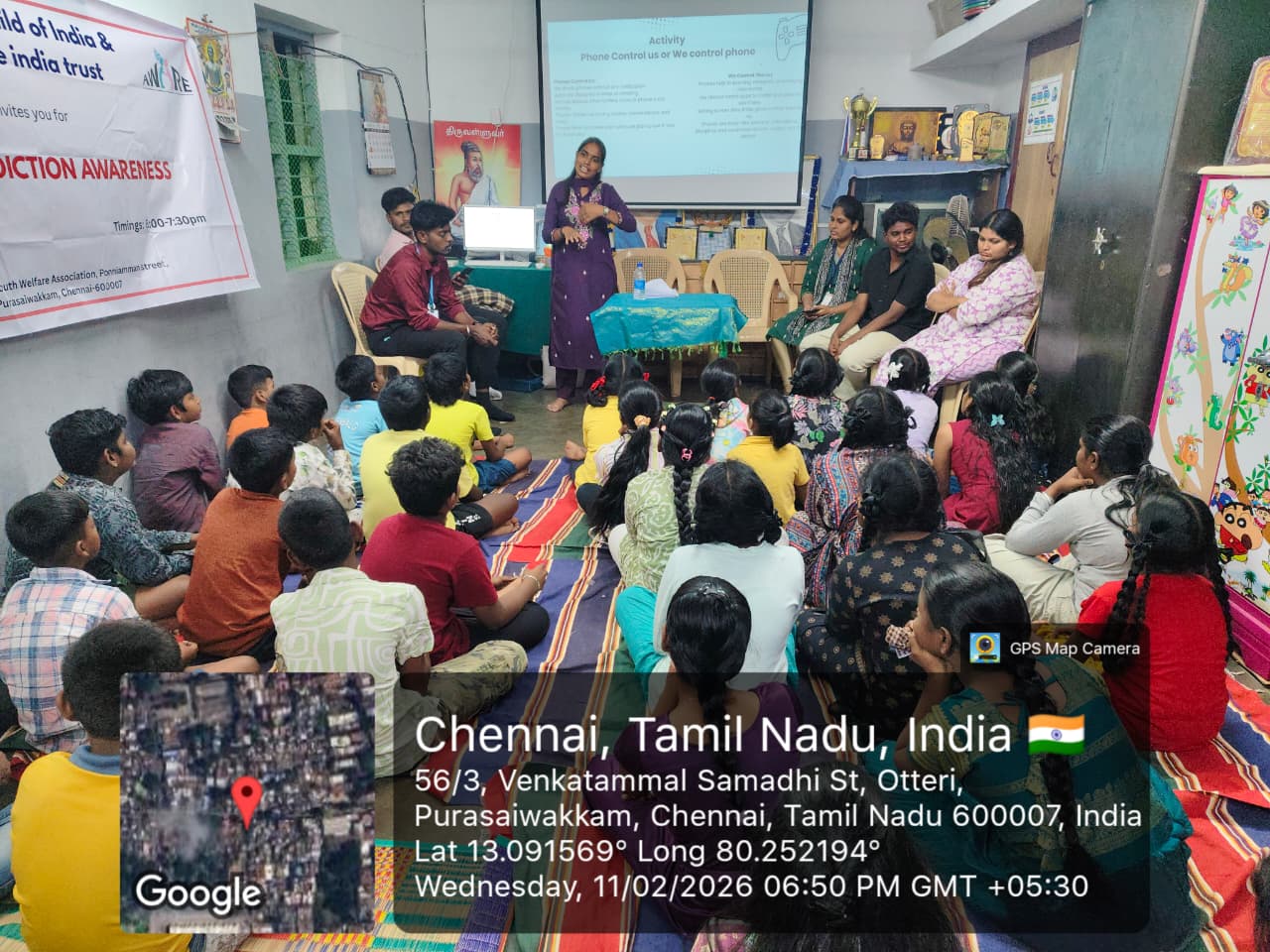
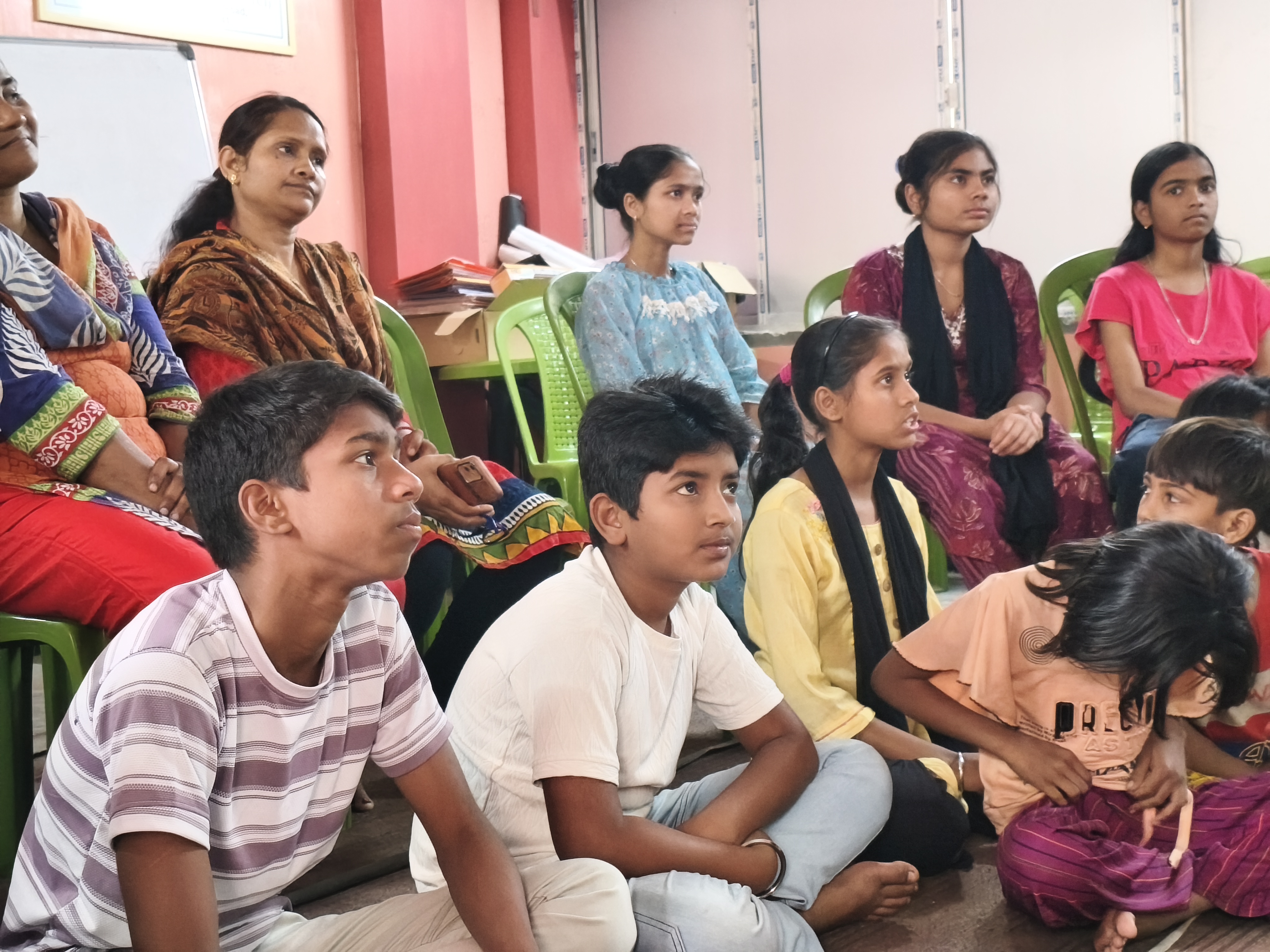
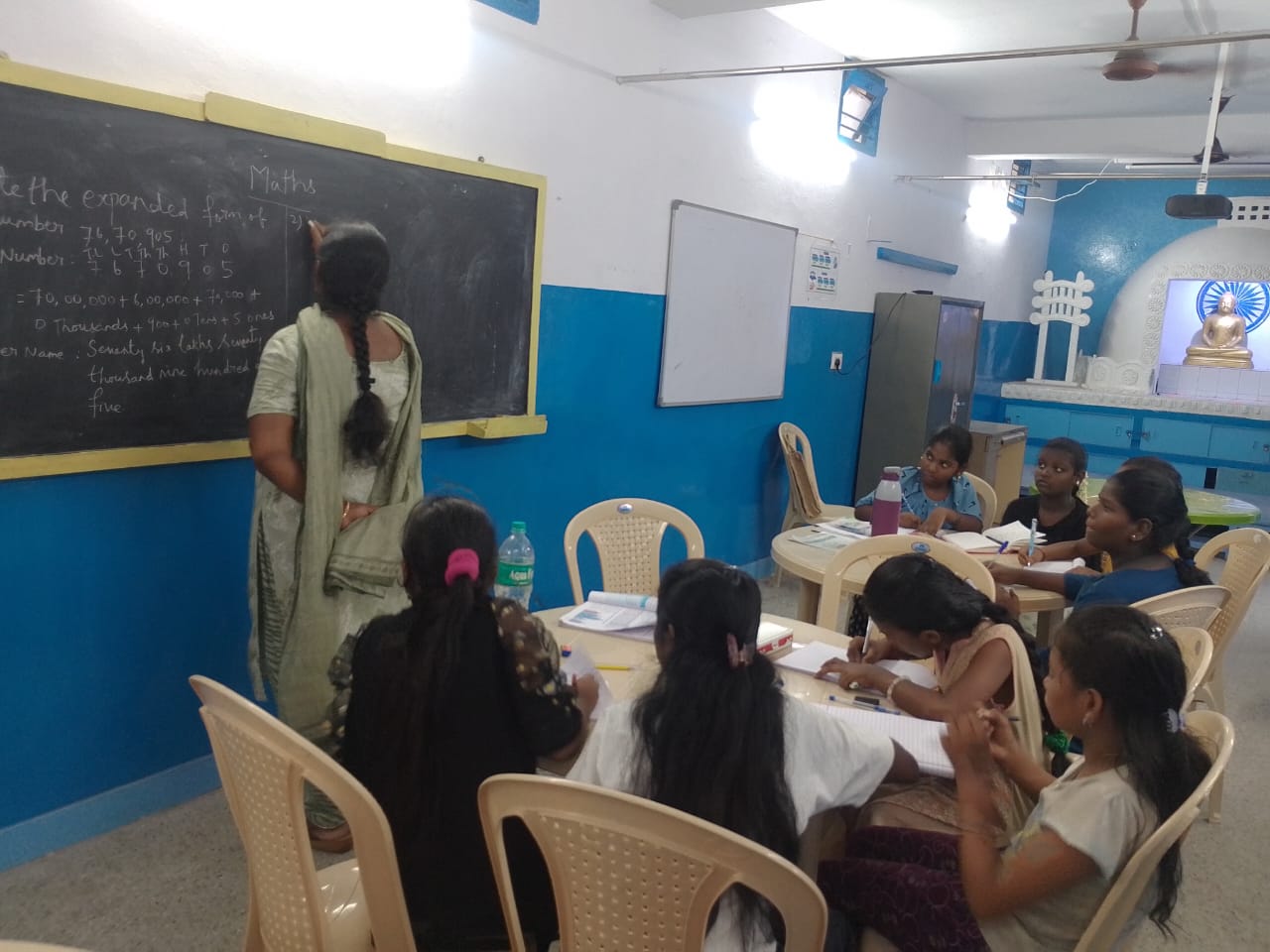
- Promote access to education by setting up learning centres in remote and marginalized communities.
- Support school enrolment and retention through awareness drives.
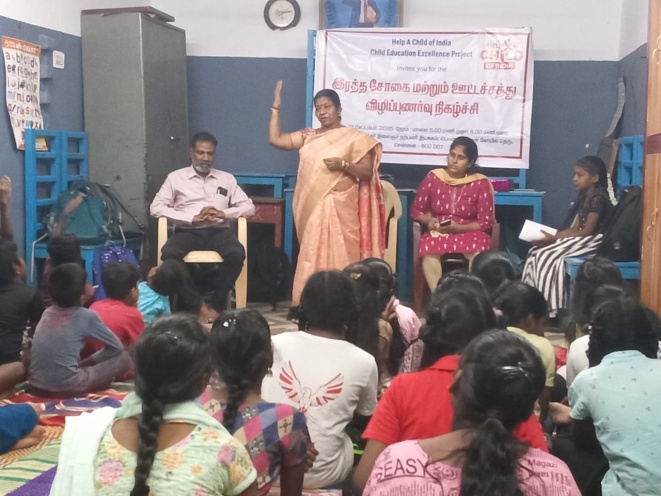
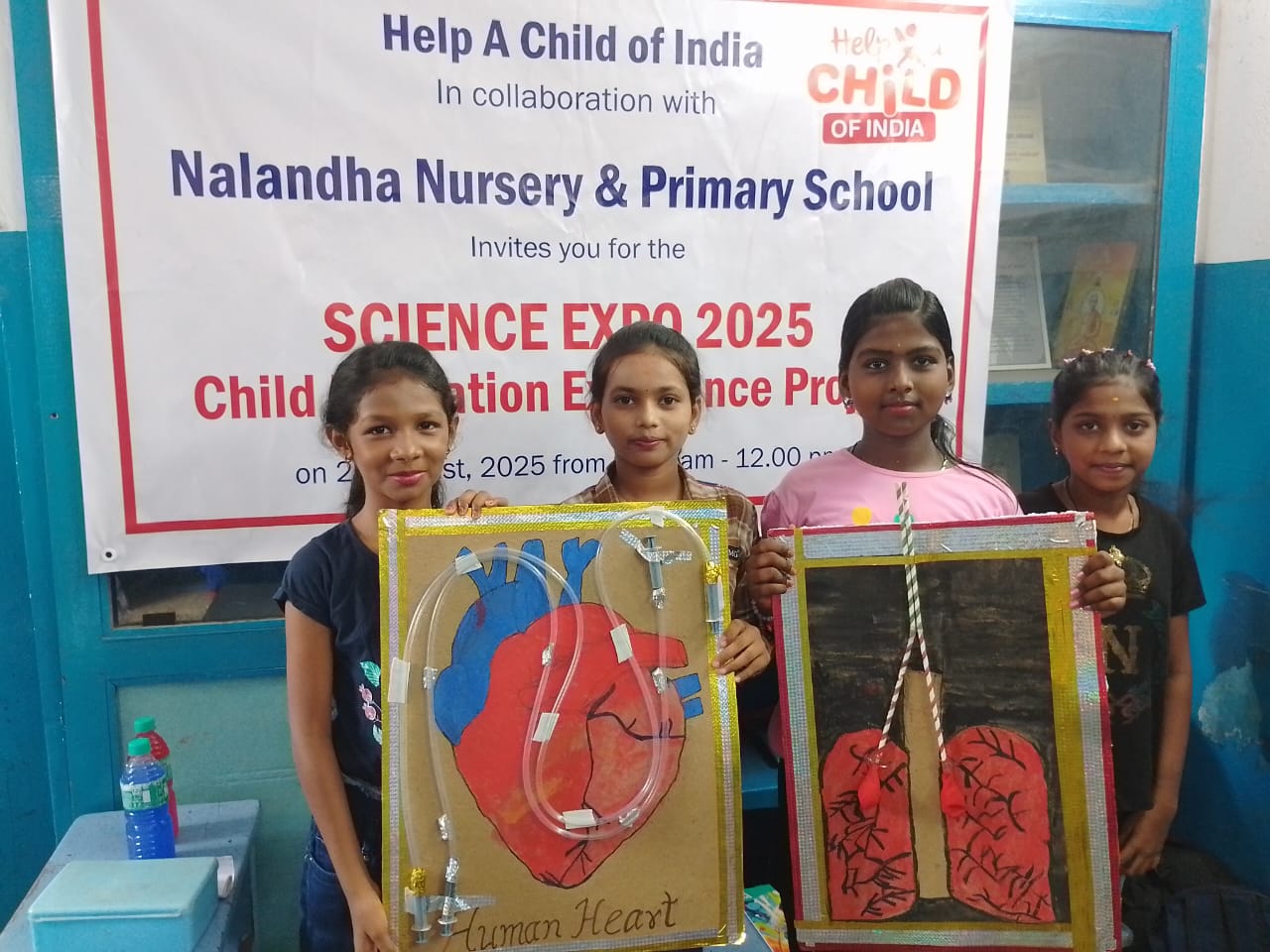
- Enhance learning quality by training teachers and introducing child-friendly, activity-based learning methods – Child Education Excellence Project.
- Provide educational materials such as books, uniforms, school fees and digital learning tools to underprivileged students.
- Introduce remedial education programs to help children improve basic literacy and numeracy skills.
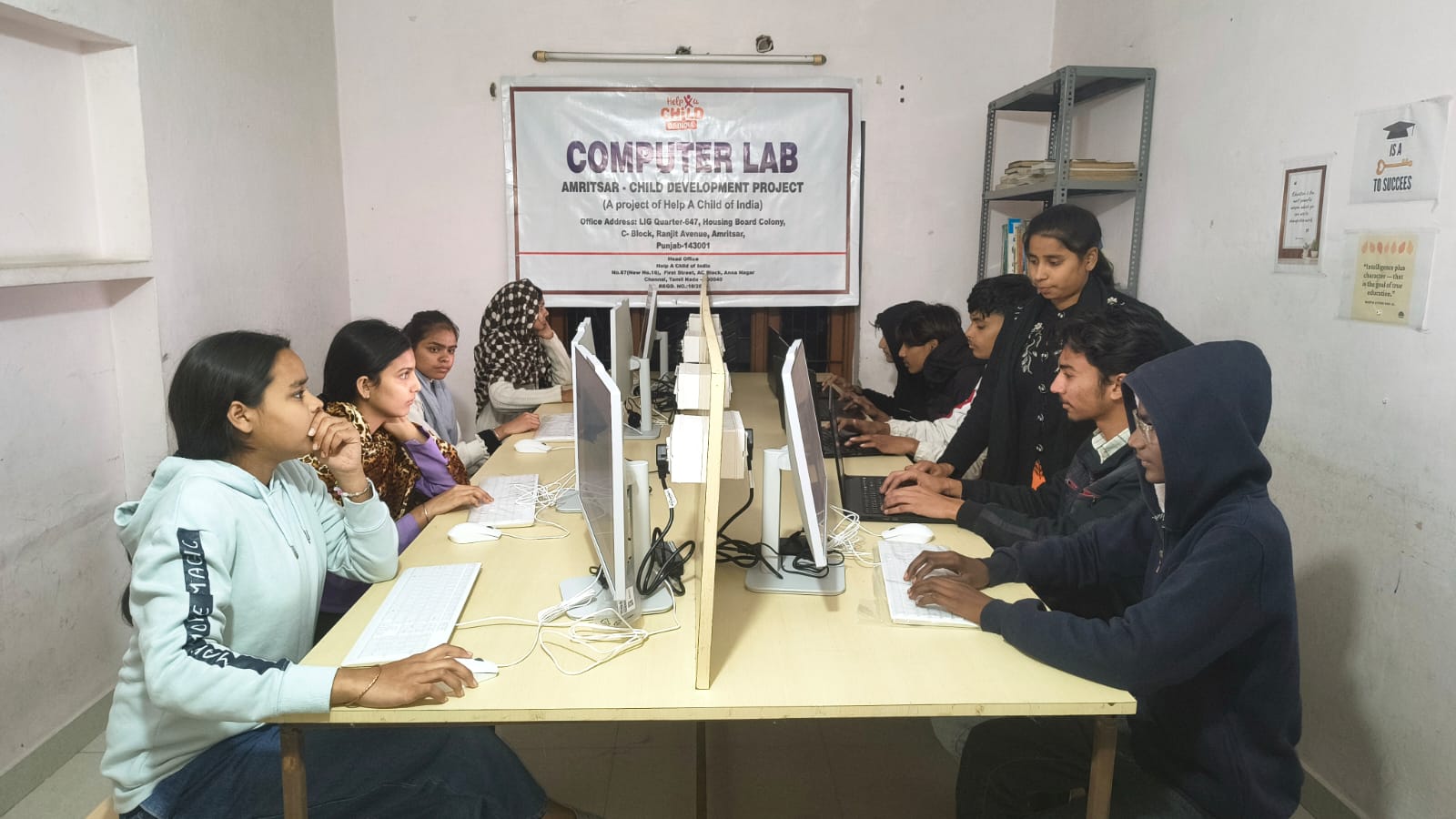
- Promote digital education by setting up smart classrooms and mobile learning labs in rural areas.
Child Protection
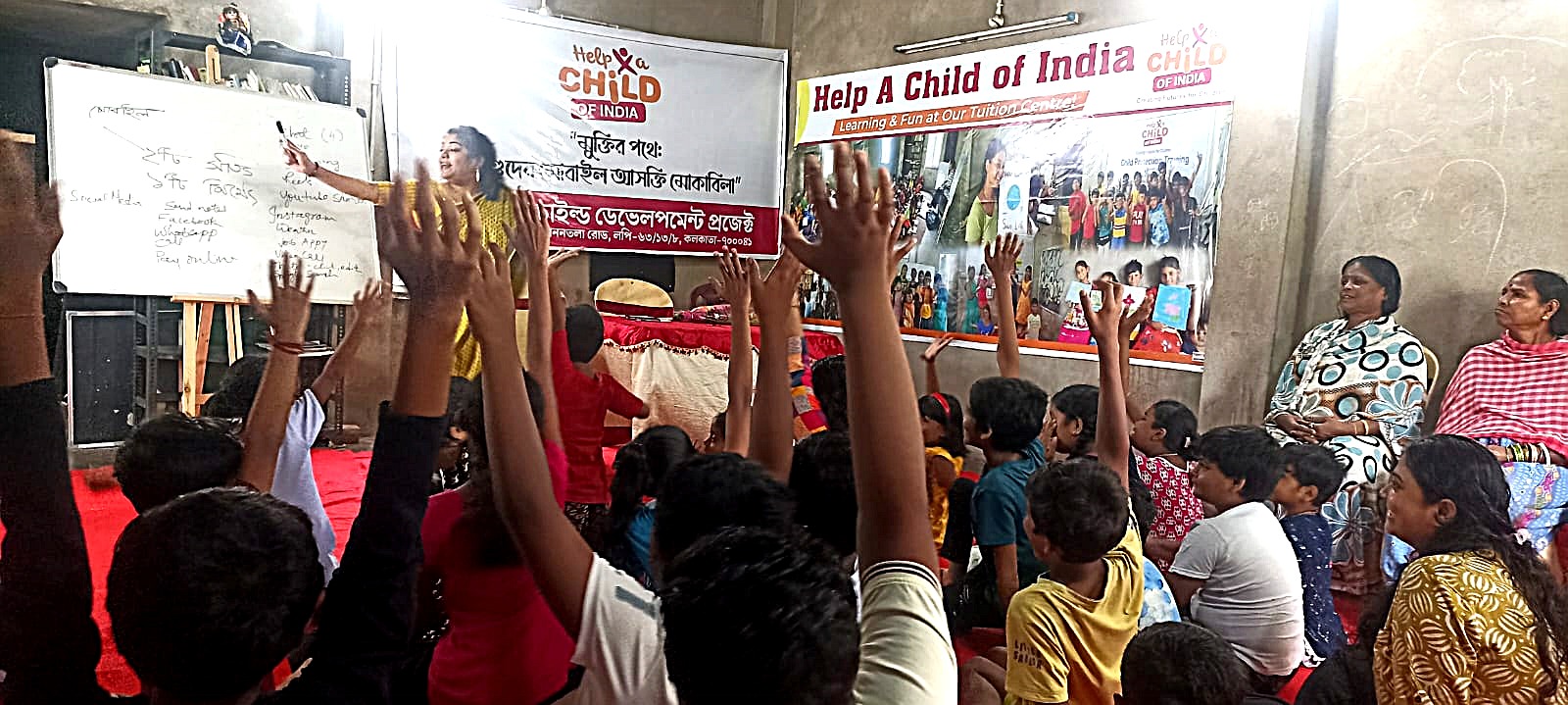
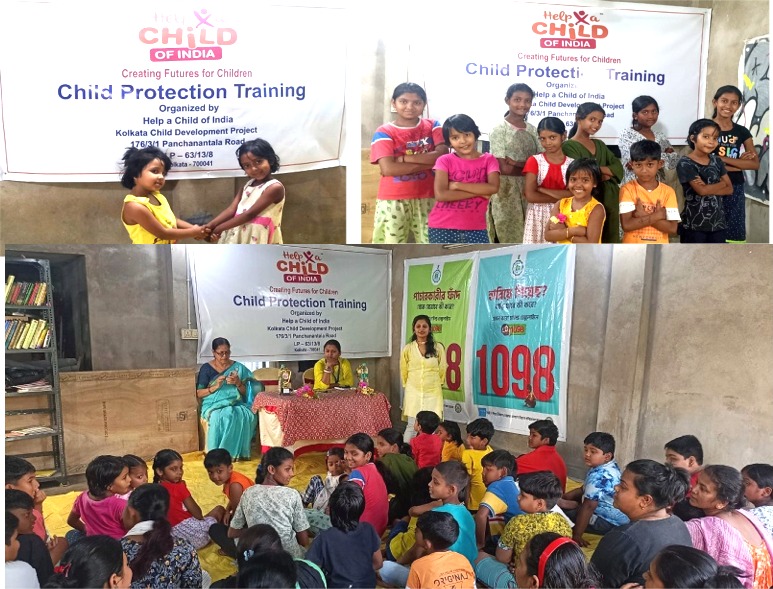
- Raise awareness on child rights, child labour, abuse, and trafficking through community campaigns
- Set up Child Protection Committees and strengthen communitybased child protection mechanisms.
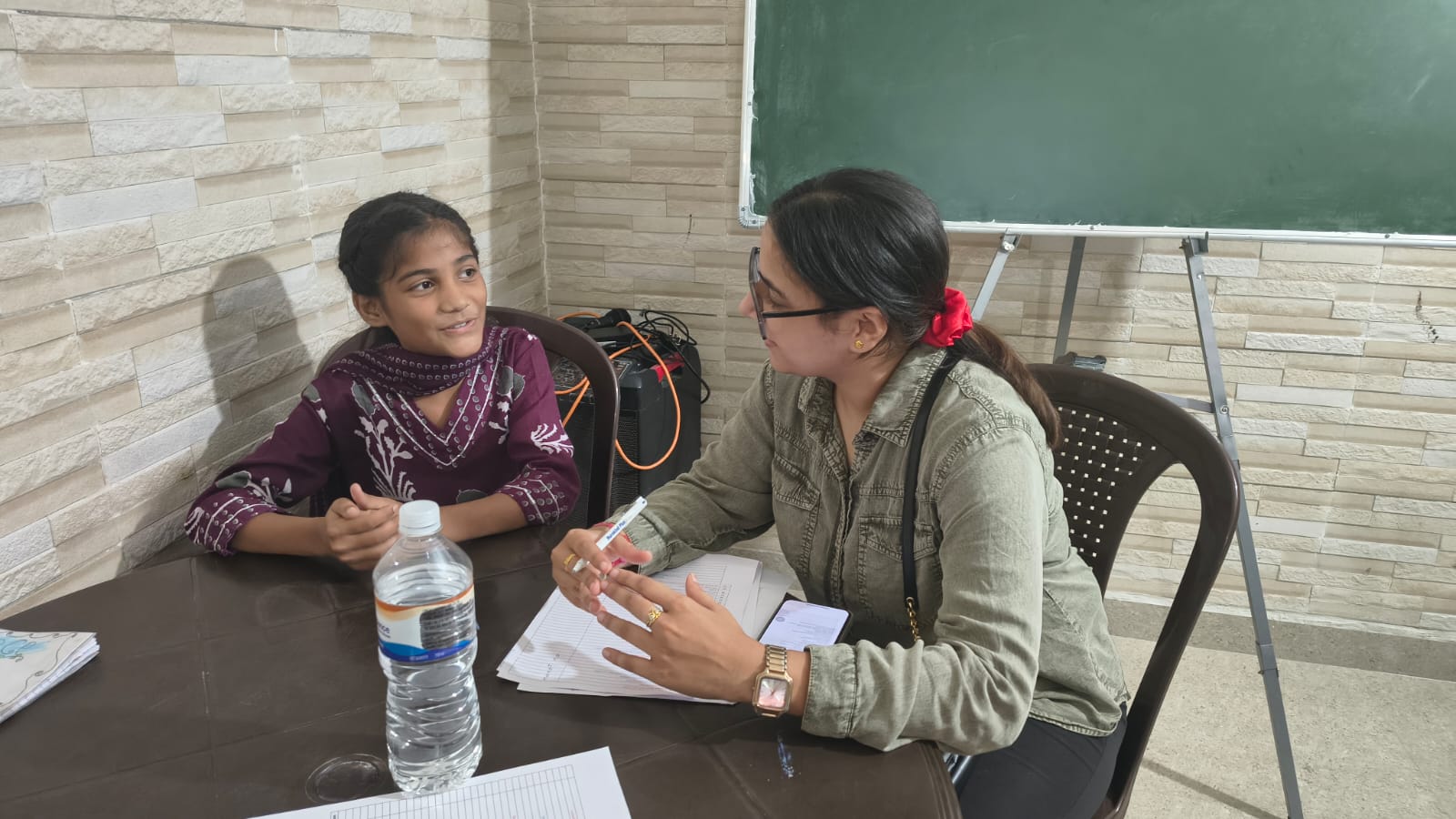
- Provide counselling support to children in distress or at risk.
- Work with schools to create safe and child-friendly environments free from abuse and discrimination.
- Advocate for stronger implementation of child protection laws like POCSO and JJ Act.
- Train stakeholders—teachers, police, social workers—on child protection and case management.
- Support family strengthening programs to prevent child neglect, abuse, and separation.
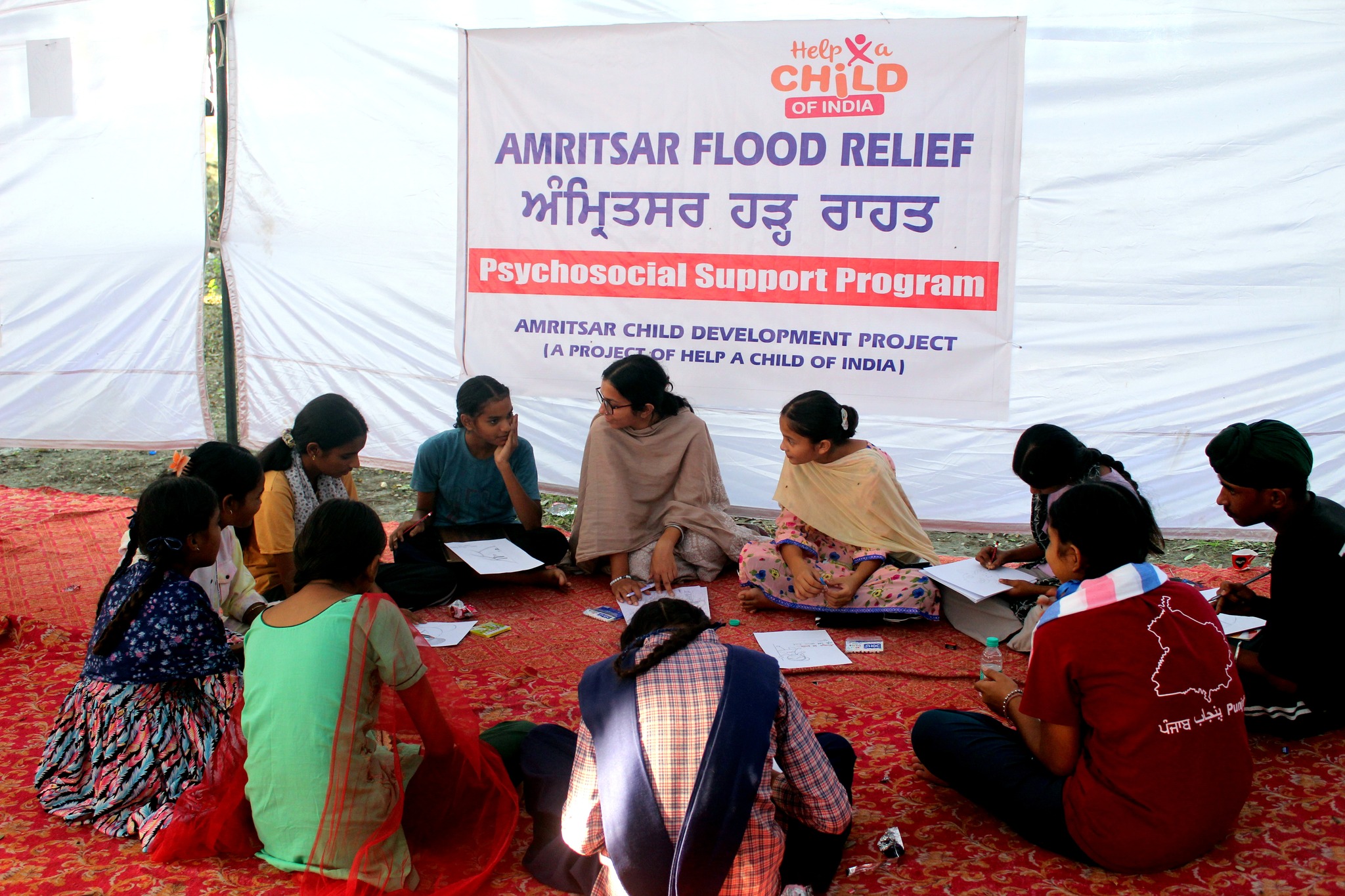
- Children in Disasters - Support children affected by disasters are safe & protected. Implement Child Friendly Spaces .
Sports for Development
- Promote sports as a tool for holistic child development, enhancing physical, mental, and social wellbeing.
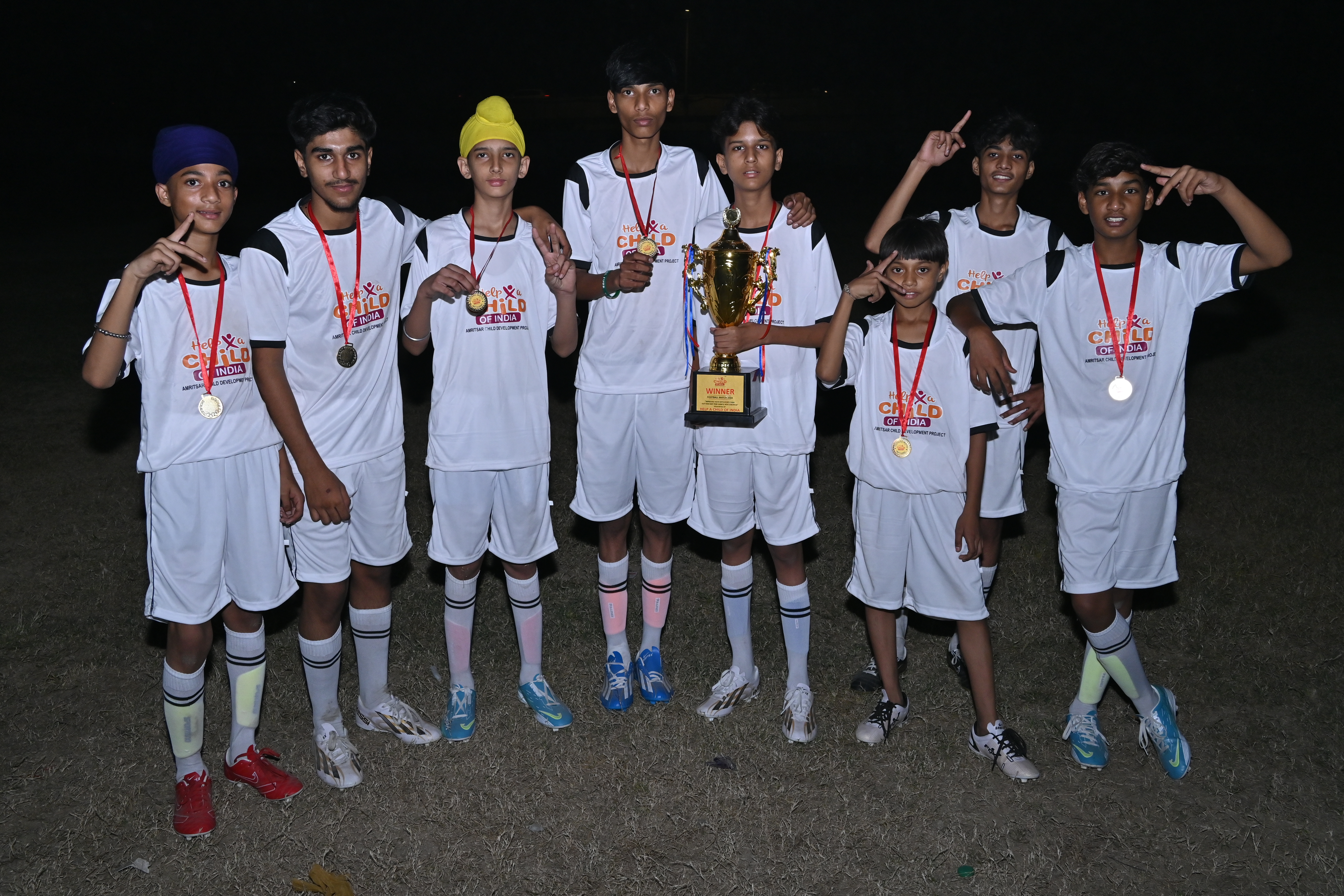
- Organize sports clubs and tournaments at community and school levels to encourage participation and teamwork.
- Provide access to sports equipment and safe play spaces in rural and urban underprivileged areas.
- Identify and nurture young talent through coaching, mentorship, and exposure opportunities.
- Use sports to teach life skills such as leadership, discipline, gender equality, and conflict resolution.
- Include children with disabilities in inclusive sports programs promoting equal opportunities.
Health
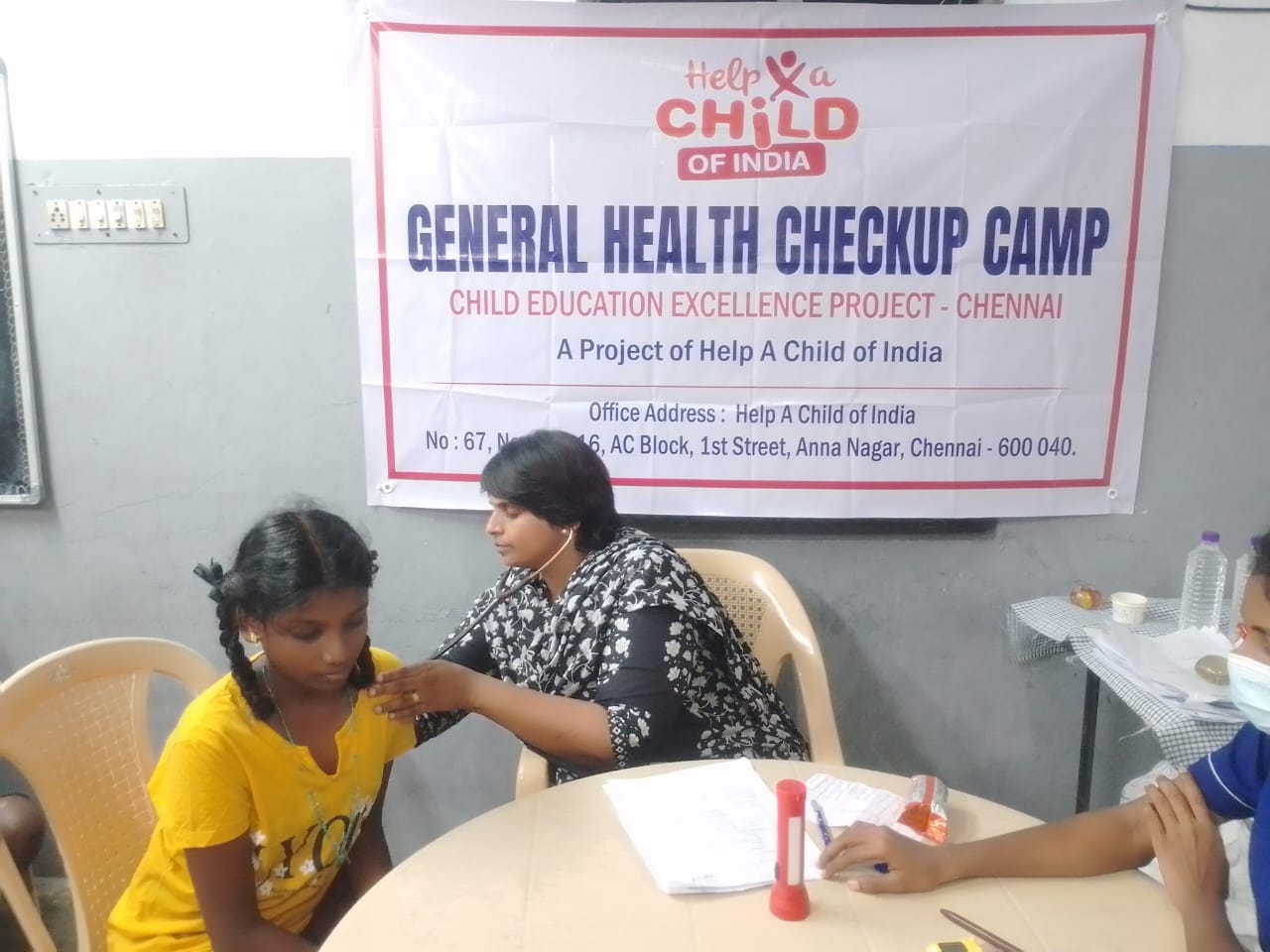
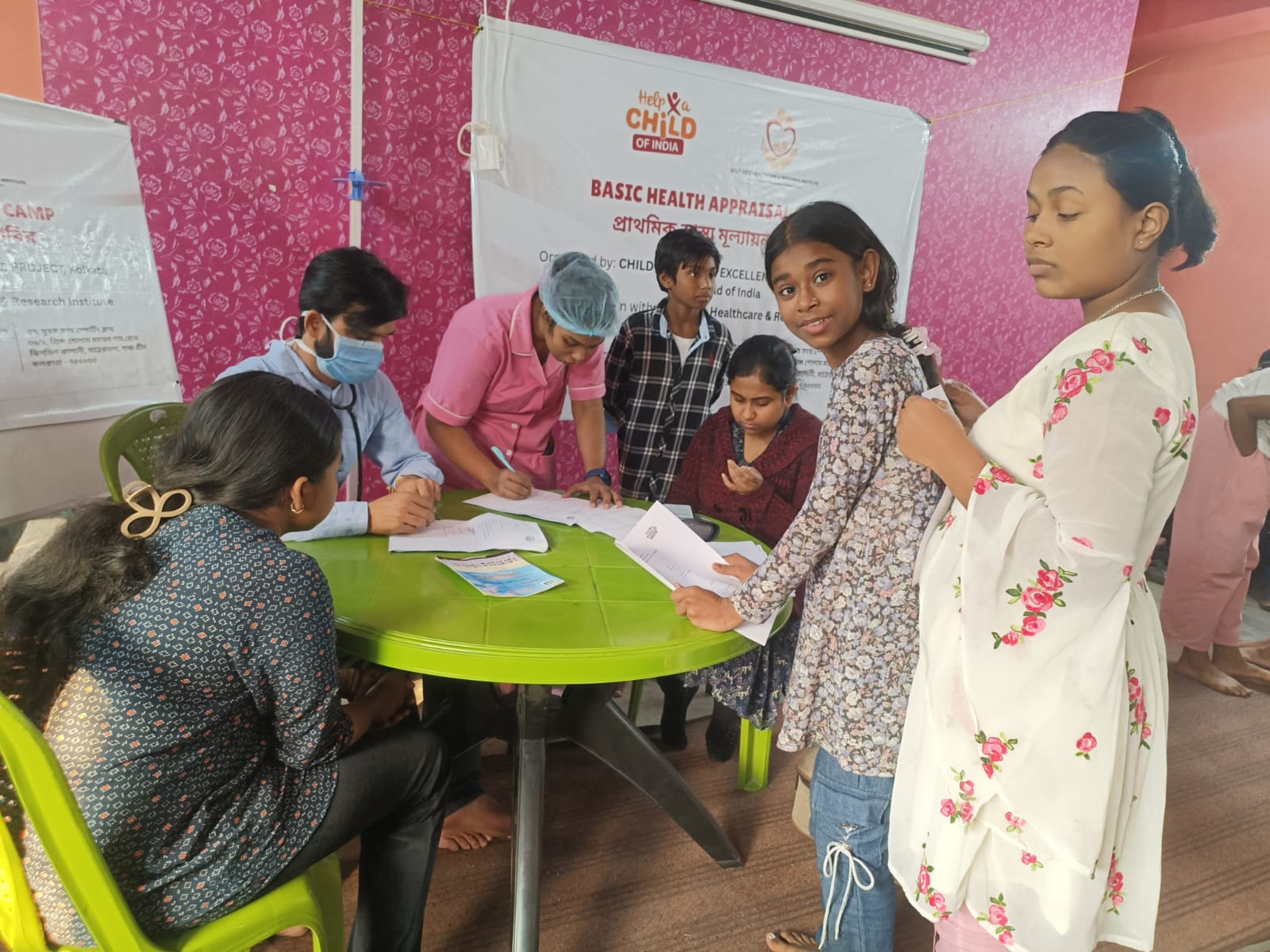
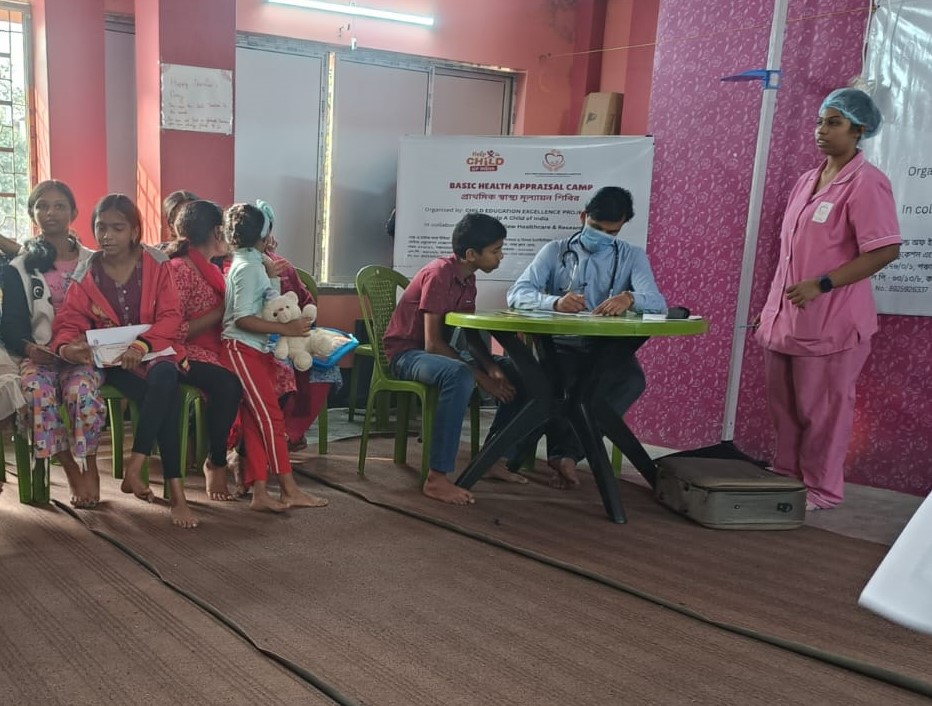
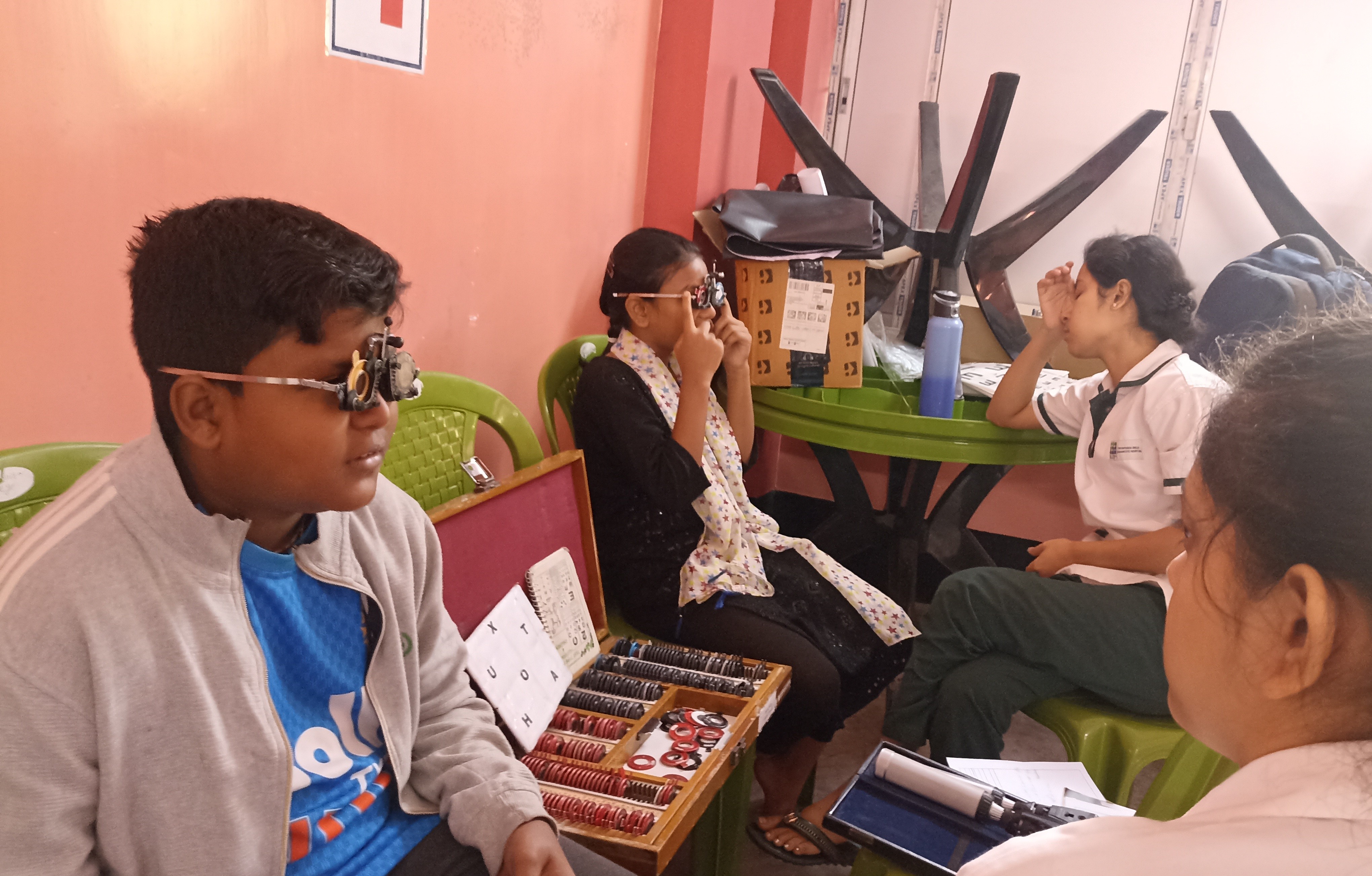
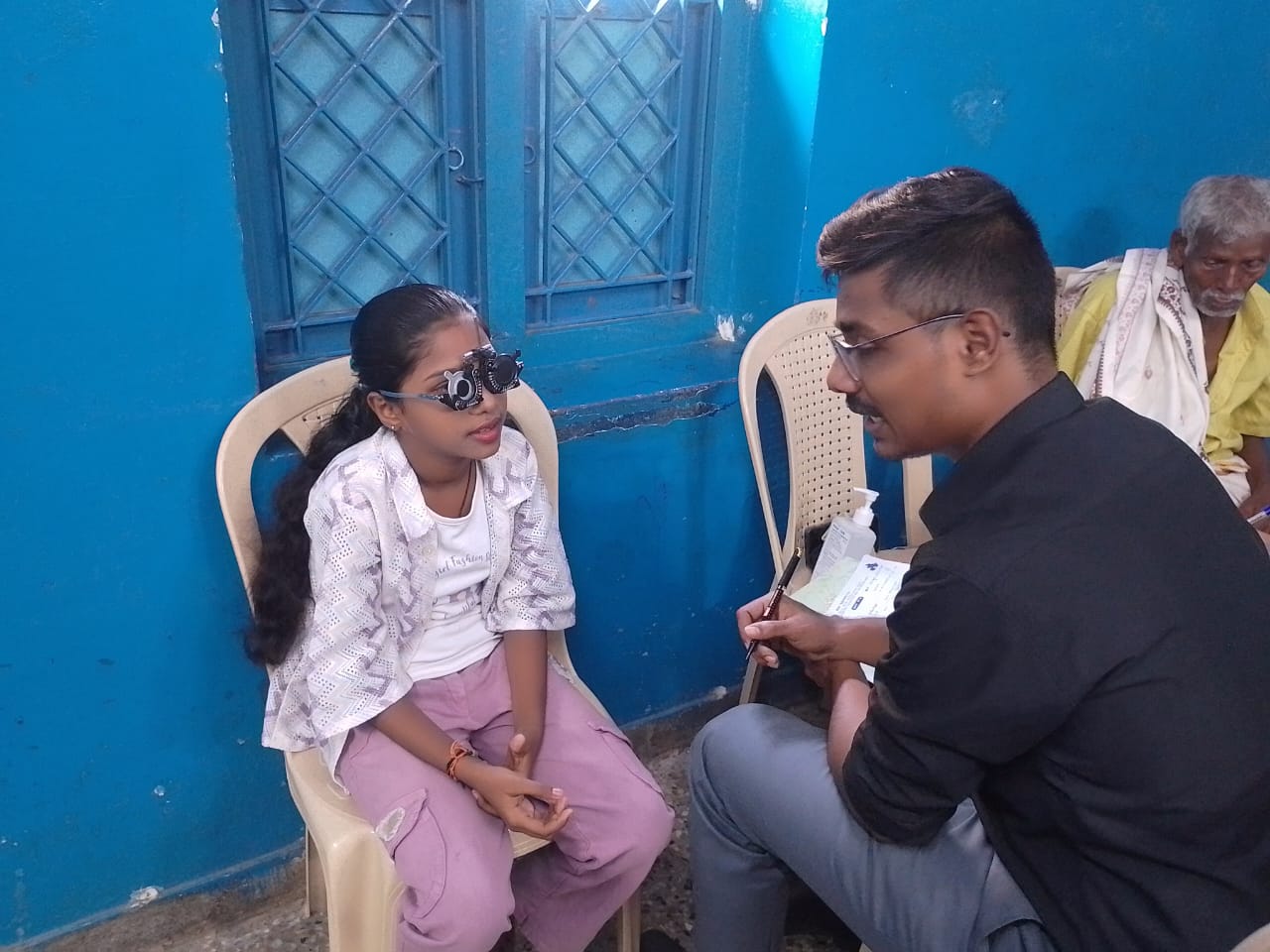
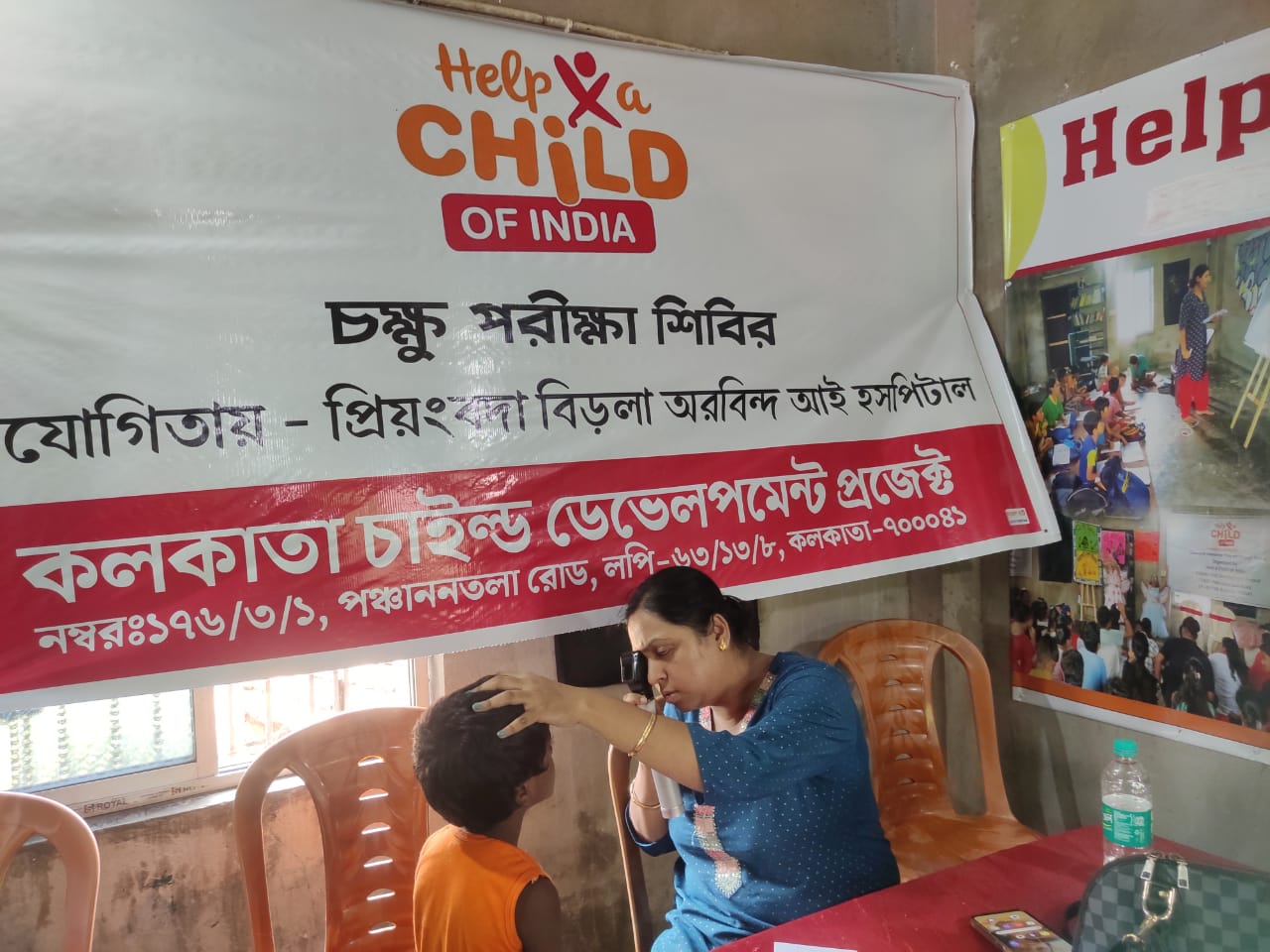
- Organize health camps for regular medical check-ups, Eye Check-up, immunization, and early detection of illnesses.
- Promote maternal and child health through awareness on nutrition, hygiene, and preventive healthcare.
- Facilitate access to healthcare services by linking families to government health schemes and facilities.
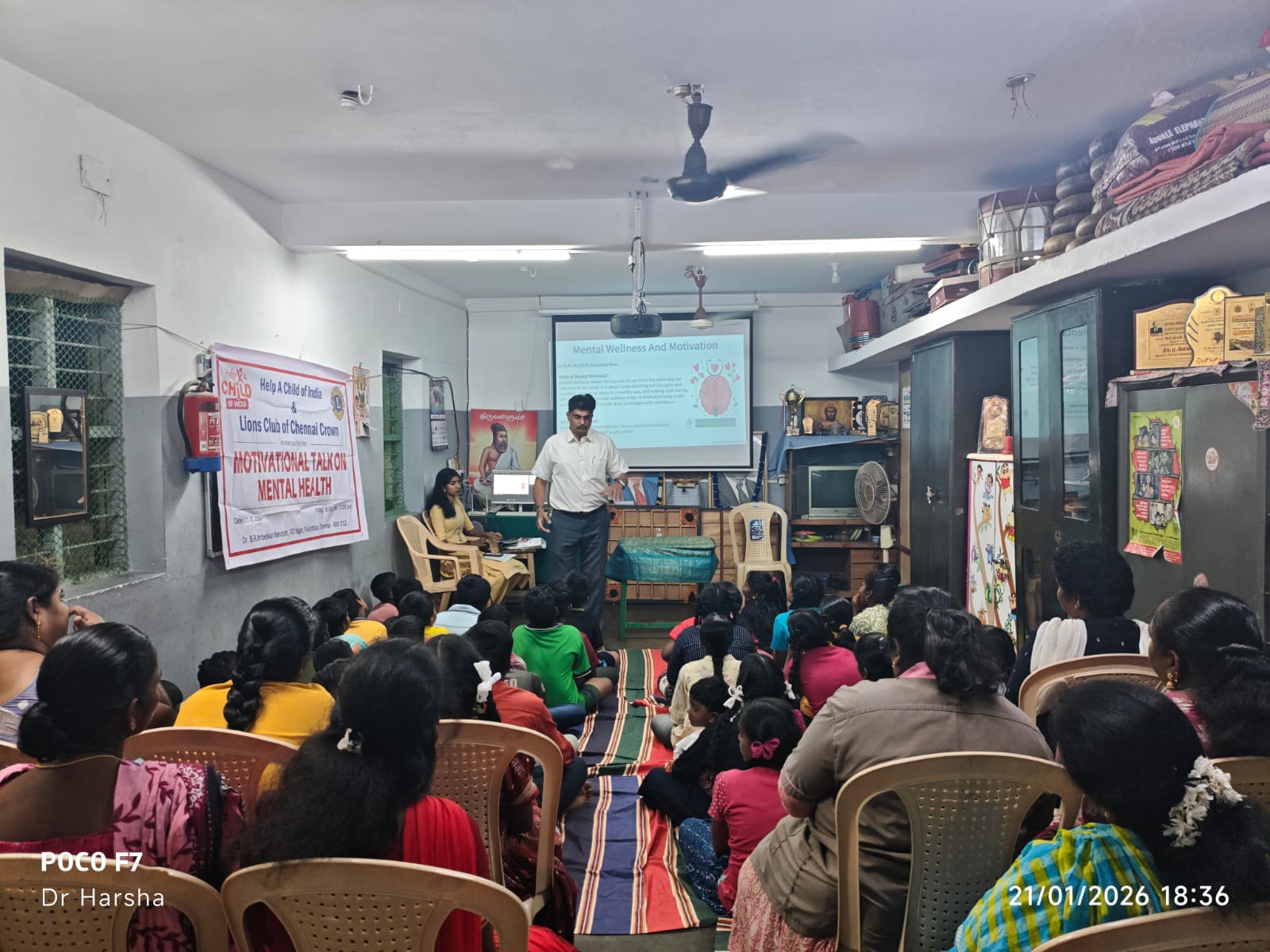
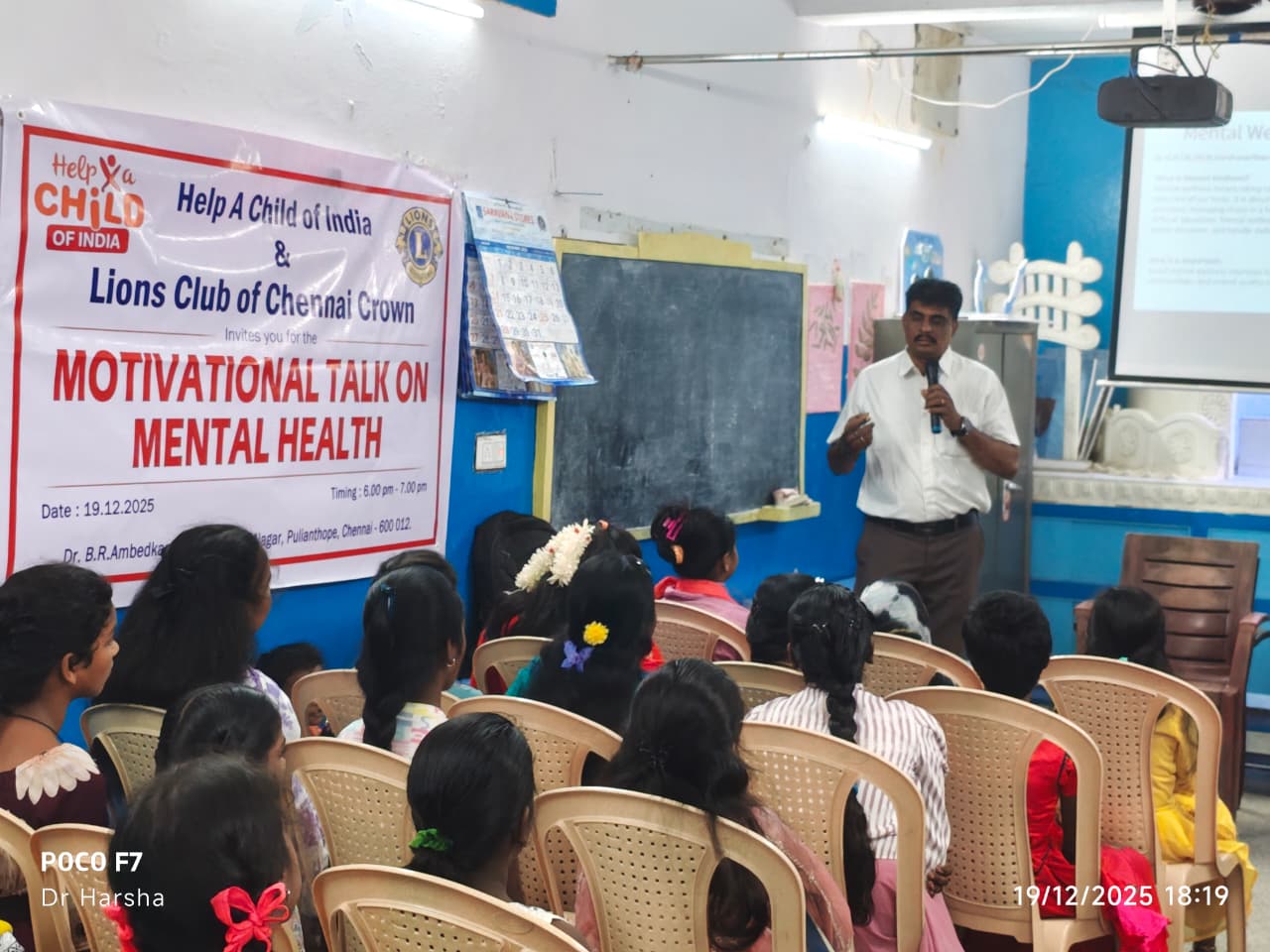
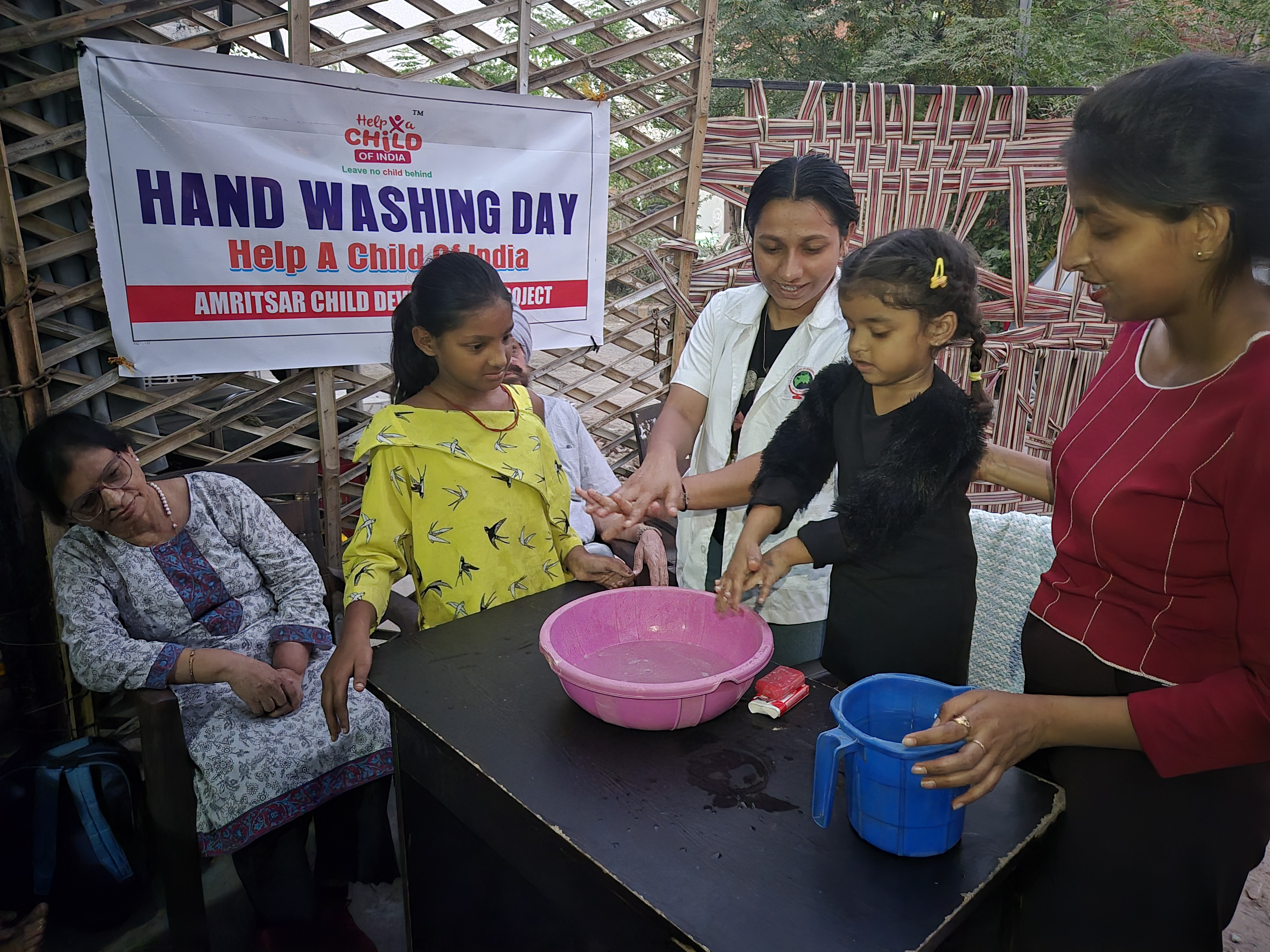
- Conduct health education sessions in schools and communities on sanitation, menstrual hygiene, hand washing and safe drinking water.
- Support children with disabilities through medical aid, therapy, and inclusive education initiatives.
- Collaborate with local health departments to strengthen child health and immunization coverage.
- Support children affected by disasters with Psycho-social Support programme.
Livelihoods
- Promote skill development programs for youth and parents to enhance employability and income generation.
- Support women with entrepreneurship and small business training.
- Facilitate vocational training centers offering courses in tailoring, beautician, computer skills, and other trades.
- Link families with government livelihood schemes.
- Provide financial literacy training to encourage savings, budgeting, and responsible credit use.
Relief & Disaster Management
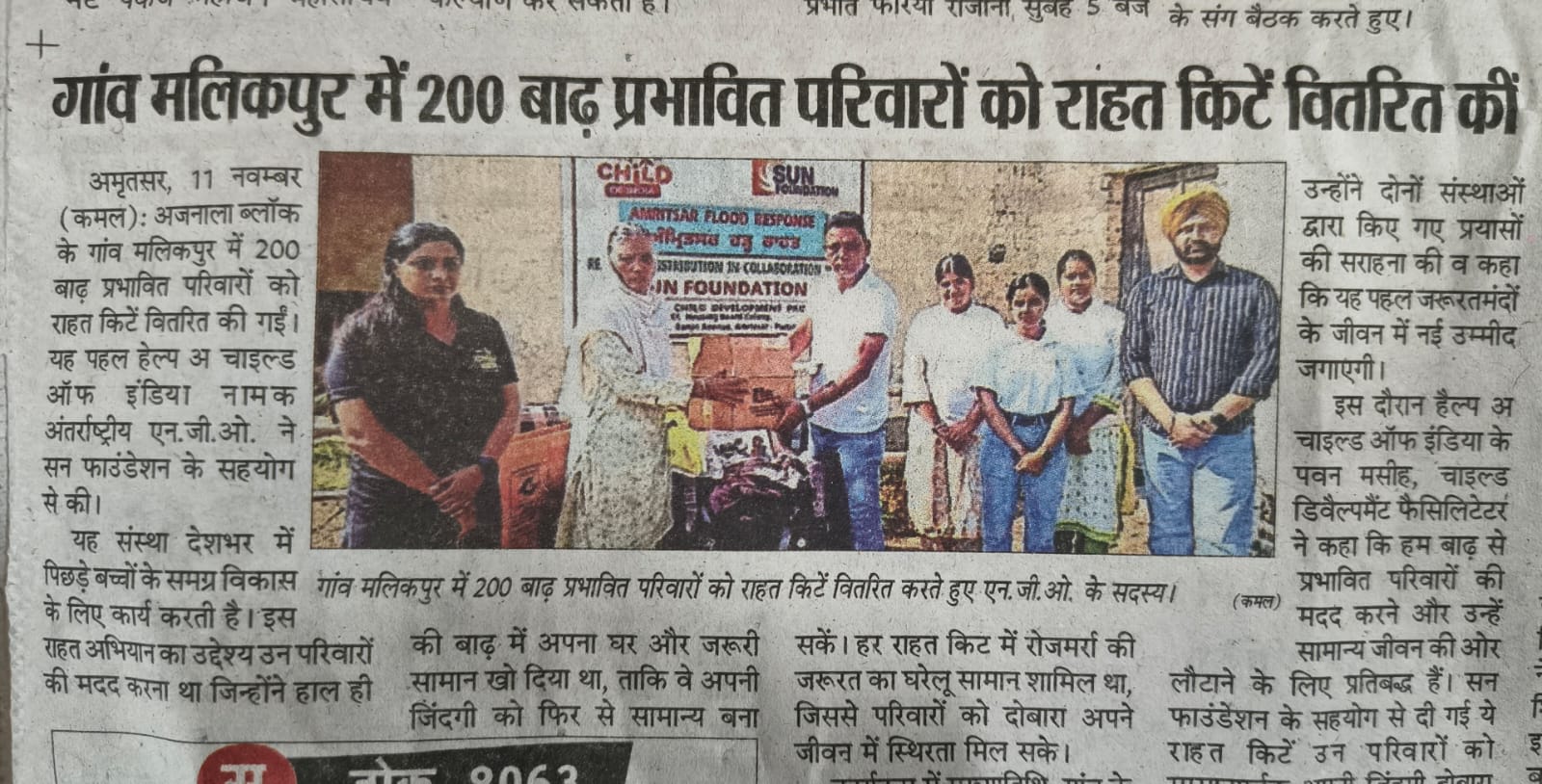
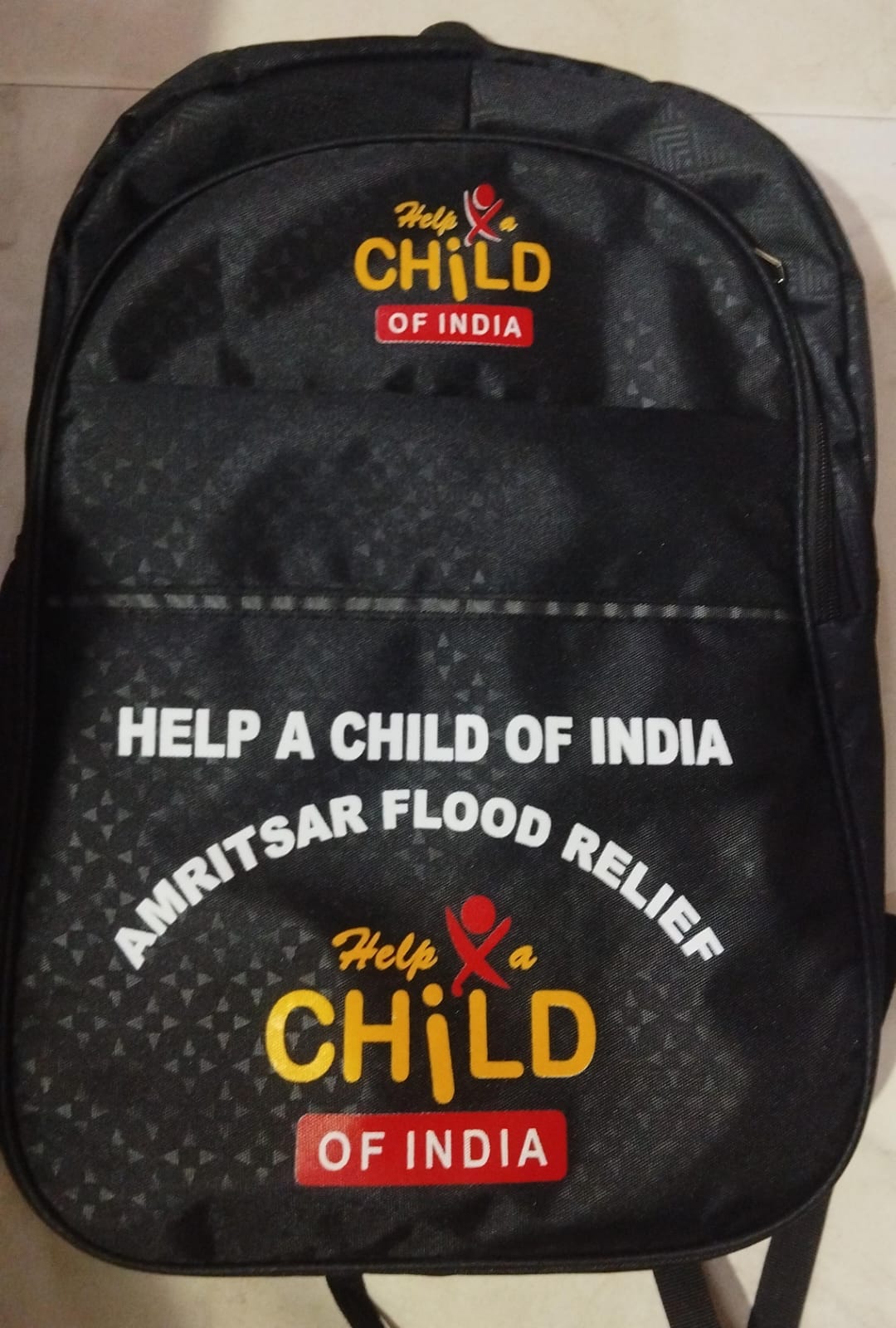
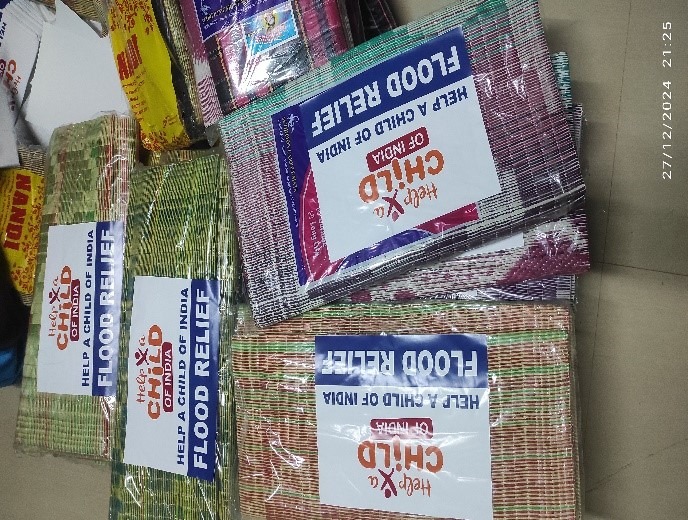
- Provide emergency relief support such as food, water, shelter, and medical aid during disasters.
- Set up child-friendly spaces in relief camps to ensure safety, care, and psychosocial support for children.
- Rebuild schools and community infrastructure affected by floods, earthquakes, or other calamities.
- Support livelihood restoration programs to help families recover income sources after disasters.
- Promote disaster preparedness training in communities and schools to reduce vulnerability.
- Collaborate with government and local agencies for coordinated disaster response and recovery.
- Ensure inclusion of children and women in planning and implementation of relief activities.
- Integrate long-term development programs like education, health, and housing in post-disaster rehabilitation.
Character & Moral Education
- Conduct value education sessions in schools and communities to install honesty, empathy, and respect.
- Develop life skills programs that promote responsibility, teamwork, and positive decision-making.
- Organize workshops and storytelling sessions on moral values, ethics, and good citizenship.
- Engage parents and teachers in reinforcing moral values at home and school.
- Use art, theatre, and sports as creative tools to teach cooperation, integrity, and perseverance.
- Celebrate value-based campaigns like honesty week, kindness day, or respect for elders drives.